What Is Fast foods, submarine sandwich, cold cut on white bread with lettuce and tomato? Origin and Varieties
The submarine sandwich, often shortened to “sub,” is a globally recognized fast food staple with roots in Italian immigrant communities in the United States during the early 20th century. Originally referred to as the “hoagie” in the Philadelphia area or “hero” in New York, this handheld meal consists of a long roll split lengthwise and filled with meats, cheeses, vegetables, and condiments. The classic version with cold cuts on white bread pairs various processed deli meats—such as ham, turkey, salami, or roast beef—with crisp lettuce and juicy tomato slices. The sandwich’s name derives from its resemblance to a submarine, with the elongated roll as the hull and the fillings as the crew.
More recently, the sub has evolved to include specialty versions like Italian subs (with provolone, capicola, and pepperoni), turkey clubs, and vegetarian subs with hummus or tofu. Fast‑food chains and local delis alike serve these sandwiches hot or cold, often customizable with choices of bread (white, wheat, multigrain) and add‑ins like pickles, onions, and peppers. The combination of refined carbohydrates from the bread, proteins from the meats, and vitamins from lettuce and tomato makes the sub a convenient balanced meal in many diets, albeit with nutritional trade‑offs.
In terms of cultural impact, subs have become a quick lunch choice across the globe, found in school cafeterias, office lunchboxes, and roadside eateries. Variants in other countries may include local flavors or ingredients—such as Mediterranean falafel subs or Mexican torta adaptations—highlighting the sandwich’s adaptability. Despite being widely enjoyed, nutritional concerns about processed meats and high sodium levels have led to more health‑focused variations, emphasizing lean proteins and whole‑grain bread options.
Nutrition Profile: A Detailed Breakdown
Examining the macronutrient and micronutrient composition of a cold‑cut submarine sandwich, we uncover a profile typical of fast‑food fare with both strengths and limitations. A 6‑inch portion (~196g) provides ~417 calories, driven by a blend of carbohydrates (from white bread and vegetables), fats (primarily from deli meats), and proteins. The ~20.6g of protein contributes to satiety and muscle maintenance, making this a relatively high‑protein fast‑food choice compared with other quick meals like fries or soda alone.
Carbohydrates amounting to ~40g come primarily from the refined white bread. Refined flours are lower in fiber compared with whole grains, leading to quicker digestion and potential blood sugar spikes. The ~2.4g of dietary fiber per serving is modest, reflecting the limited contribution of lettuce and tomato. For reference, high‑fiber foods like whole oats or legumes provide 4–8g per serving, which supports digestive health and prolonged satiety.
Fat content (~19.6g total fat) includes a significant portion of saturated fat (~7g), a type linked to increased LDL cholesterol when consumed in excess. While some fats are essential for nutrient absorption and hormone production, public health guidelines recommend limiting saturated fats to less than 10% of daily calories. Trans fats in processed meats are minimal but still present (~0.12g) and are generally advised to be kept as low as possible.
Micronutrients present include calcium (~335mg) and iron (~3.5mg), which are valuable for bone health and oxygen transport, respectively. Vitamins like vitamin C (~14.7mg) derive from lettuce and tomato, contributing to immune function and antioxidant defense. However, whole‑food meals like salads with grilled chicken would provide a broader spectrum of micronutrients at similar calorie levels.
Sodium remains a nutritional concern: ~1127mg per 6‑inch sub equates to roughly half or more of the recommended daily limit (2300mg), mostly from processed deli meats. Frequent consumption of high‑sodium meals can challenge blood pressure control and cardiovascular health. In short, while this sandwich offers convenience and a mix of nutrients, mindful portioning and ingredient choices (leaner meats, whole‑grain bread) can improve its healthfulness.
Evidence-Based Health Benefits
While a cold‑cut submarine sandwich is often viewed in the context of convenience rather than health food, several components confer demonstrable benefits when included as part of a balanced diet.
First, the sandwich delivers high‑quality protein (~20.6g per 6‑inch), which is fundamental for muscle repair, immune function, and enzyme production. Protein is especially critical in older adults to prevent sarcopenia (age‑related muscle loss) and in active individuals for recovery following exercise. Leaner cold cuts like turkey or chicken breast offer these benefits with relatively lower fat compared with fattier options like salami.
Second, the fresh vegetables—lettuce and tomato—add micronutrients like vitamin C (~14.7mg) and vitamin K (~4.5mcg). Vitamin C acts as an antioxidant supporting immune defenses and collagen synthesis, while vitamin K contributes to bone metabolism. Tomatoes also provide lycopene, a carotenoid associated with potential protective effects against oxidative stress. Diets rich in fruits and vegetables have been consistently linked to lower risk of chronic diseases including heart disease and some cancers. Studies indicate that higher intakes of lycopene‑rich foods correlate with modest reductions in prostate cancer risk, though the effect is incremental and part of broader dietary patterns.
Third, the inclusion of iron (~3.5mg) and B vitamins (like B12 and niacin) from meat supports red blood cell production and energy metabolism. Iron deficiency is a common global nutrient shortfall, especially in women of reproductive age, and even small contributions from foods can be meaningful when combined with other iron sources. Vitamin B12 is vital for nervous system function and DNA synthesis, with processed meats typically providing moderate amounts.
Lastly, the carbohydrate component, while refined, offers readily available energy, which is important for individuals needing quick fuel, such as athletes in intermittent sport settings. However, pairing refined carbs with protein and fiber (from vegetables) helps moderate post‑meal blood sugar elevation.
In essence, the cold‑cut sub’s benefits revolve around protein provision, essential micronutrients, and practical energy delivery within a meal context. The key to maximizing these positive aspects lies in selecting lean, lower‑sodium meats and increasing vegetable content to enhance the nutrient density and dietary fiber.
Potential Risks and Who Should Be Careful
Despite its benefits, a cold‑cut submarine sandwich carries potential health risks, particularly when consumed frequently or in large portions. The most salient issue is high sodium content—over 1100mg in a 6‑inch sub—which can meaningfully contribute to elevated daily intake. Persistently high sodium intake is linked to increased blood pressure, a major risk factor for cardiovascular disease and stroke. Individuals with hypertension, kidney disease, or salt sensitivity should be cautious and consider lower‑sodium options or smaller portions.
Another concern centers on processed deli meats. Many cold cuts are preserved with nitrates or nitrites to enhance shelf life and color. When these compounds react with amines in the meat, they can form nitrosamines, which have been studied for their potential carcinogenic properties. The World Health Organization classifies processed meats—including many cold cuts—as carcinogenic to humans, based on evidence linking regular consumption to increased colorectal cancer risk. While occasional sandwiches are unlikely to drastically alter risk, frequent intake (e.g., daily consumption) may incrementally increase it.
Saturated fat content (~7g per 6‑inch) also warrants attention. Diets high in saturated fats are associated with higher LDL (“bad”) cholesterol, which contributes to atherosclerosis. Those with elevated cholesterol, heart disease risk factors, or metabolic syndrome may benefit from choosing leaner proteins and adding whole‑grain bread and more vegetables to mitigate this risk.
Additionally, refined white bread offers limited fiber and micronutrients compared with whole grains, which can affect glycemic control and long‑term metabolic outcomes. Individuals with diabetes or prediabetes may experience sharper post‑prandial glucose spikes with refined carbohydrates, underscoring the importance of pairing the sandwich with fiber‑rich sides or choosing whole‑grain alternatives.
Finally, food safety is an issue for certain populations. Cold cuts, especially if not reheated, carry a risk of Listeria contamination, which can be dangerous for pregnant individuals, older adults, and immunocompromised people. Heating deli meats to 165°F (74°C) before serving is generally advised for these groups to reduce bacterial risk.
In summary, while the cold‑cut sub can fit within a balanced diet, moderation, ingredient choices, and awareness of individual health conditions are essential for minimizing potential harms.
How to Select, Store, and Prepare Fast foods, submarine sandwich, cold cut on white bread with lettuce and tomato
Selecting and preparing a healthier cold‑cut submarine sandwich involves thoughtful choices and food safety practices. First, when choosing meats, opt for lean cuts such as turkey or chicken breast over higher‑fat options like salami or bologna. Look for labels indicating lower sodium and no added nitrates or nitrites; these are often marketed as “uncured,” though natural preservatives may still be present. Adding more fresh vegetables—such as spinach, cucumbers, peppers, and tomato slices—boosts vitamins, minerals, and fiber without significantly increasing calories.
Bread selection matters: while white bread is traditional, whole‑grain or whole‑wheat rolls provide more fiber and micronutrients, helping moderate blood sugar responses and increase satiety. Reading the ingredient list on bread can help you identify options with whole grains listed as the first ingredient and minimal added sugars.
Food storage is critical for both safety and quality. Deli meats should be kept refrigerated at 40°F (4°C) or below and used within 3–5 days of opening the package; if the sub includes mayonnaise or cut vegetables, consume within 1–2 days to prevent spoilage. Signs of spoilage include an off odor, slimy texture, or discoloration. Avoid leaving prepared sandwiches at room temperature for more than 2 hours, as this falls within the FDA’s “danger zone” where bacteria can grow rapidly. For longer storage, uncooked bread and unopened meat packages can be frozen, but assembled sandwiches generally do not freeze well due to texture changes.
When preparing the sub, layering ingredients thoughtfully enhances both flavor and food safety. Place dressings like mustard or light vinaigrettes directly on the bread to prevent sogginess, followed by proteins and sturdy vegetables. Add delicate items like lettuce and tomato last, just before eating, to maintain freshness. Using fresh herbs and spices can elevate flavor without adding sodium.
For individuals sensitive to sodium or preservatives, a homemade version using freshly sliced chicken or turkey breast roast offers a cleaner profile. Grilled lean proteins like chicken strips or legumes such as chickpeas can replace processed meats altogether for a plant‑forward alternative. Combining these preparation and storage strategies ensures that your sandwich is not only tasty but also safer and more health‑aligned.
For your kitchen
Useful ingredients and supplies for your kitchen.
Kitchen tools
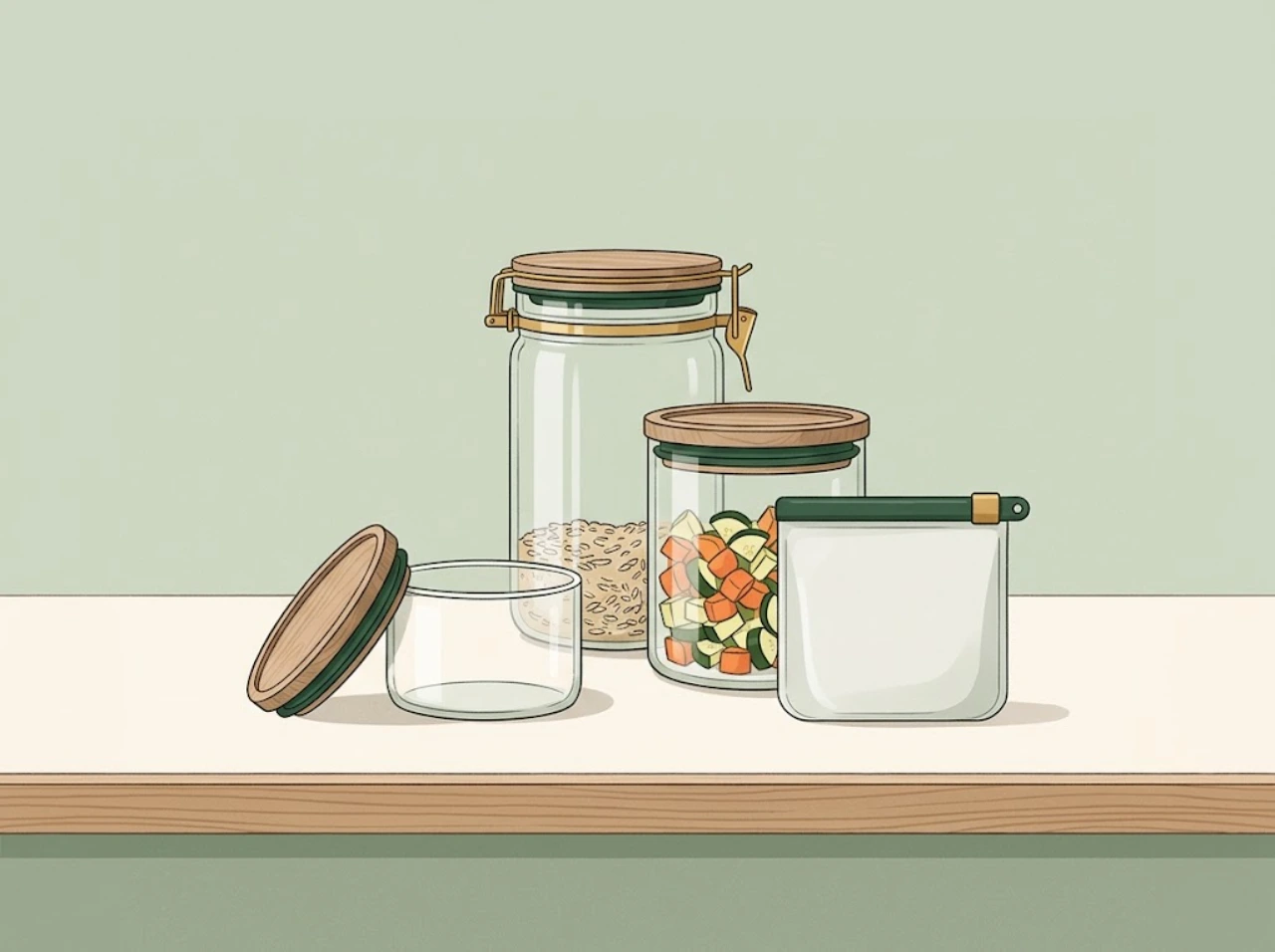
Airtight food storage containers
Keep opened food sealed between uses with a reusable storage container.
See storage options
Amazon search results ↗
Affiliate disclosure: As an Amazon Associate I earn from qualifying purchases. This is at no additional cost to you.
Best Ways to Eat Fast foods, submarine sandwich, cold cut on white bread with lettuce and tomato
To maximize the nutritional benefits of a cold‑cut submarine sandwich while minimizing its drawbacks, consider pairing and preparation strategies that enhance nutrient density. Serving the sandwich with a side salad of leafy greens and colorful vegetables adds fiber, antioxidants, and volume—promoting satiety and reducing reliance on refined carbohydrates alone. A vinaigrette made with olive oil and lemon juice adds heart‑healthy monounsaturated fats and vitamin C.
Choose whole‑grain or sprouted grain bread rather than white bread to increase fiber intake. Fiber slows digestion, helps control blood sugar, and supports gastrointestinal health. For extra flavor without excess sodium, add fresh herbs, slices of avocado (rich in healthy fats and potassium), and pickled onions for tang. Mustard or hummus are preferable condiments to high‑fat mayonnaise.
If possible, request deli meats sliced fresh rather than pre‑packaged, as this can reduce the level of preservatives. To further lower sodium, rinse packaged cold cuts under cold water and pat dry before assembling; studies show this can reduce sodium content by up to 10–15%. For additional protein diversity, mix lean cold cuts with grilled chicken breast or hard‑boiled eggs.
For those who enjoy heat, lightly toasting the bread or briefly heating the assembled sub can enhance flavor and texture; heating to 165°F (74°C) also improves food safety for susceptible populations. Serve with antioxidant‑rich sides such as fruit salad or baked sweet potato fries instead of regular fries to boost micronutrient intake.
Incorporating legumes like chickpeas or lentil‑based spreads within the sandwich increases plant protein and fiber while reducing the proportion of processed meats. Ultimately, mindful ingredient choices and balanced sides make the classic cold‑cut sub more aligned with nutritional goals without sacrificing convenience or taste.
Nutrient Absorption: What Helps and Hinders
Understanding how different components of your meal affect nutrient absorption can help you optimize the health value of a submarine sandwich. For example, the presence of vitamin C from tomatoes and lettuce enhances iron absorption from the meat, as vitamin C converts iron into a more absorbable form in the gut. Pairing the sandwich with other vitamin C‑rich sides—such as bell peppers or citrus fruit—further supports this process.
On the other hand, certain compounds can inhibit nutrient absorption. Phytates found in refined grains can bind minerals like iron and zinc, making them less available. Choosing whole grains with lower phytate content can mitigate this effect. Additionally, high sodium levels can increase calcium excretion, so balancing sodium intake with calcium‑rich foods like yogurt or fortified plant milks may support bone health.
Healthy fats from avocado or olive oil aid fat‑soluble vitamin absorption (vitamins A, D, E, and K). Adding these fats in moderation enhances the uptake of compounds such as lycopene from tomatoes. Conversely, consuming excessive refined carbohydrates without protein or fiber can create rapid blood sugar spikes, potentially interfering with stable energy levels and long‑term metabolic health. Strategically pairing your sub with fiber‑rich vegetables and healthy fats can help moderate glycemic response and support overall nutrient utilization.
Fast foods, submarine sandwich, cold cut on white bread with lettuce and tomato for Specific Diets
This sandwich’s compatibility with specific diets varies widely. For vegan and vegetarian diets, the traditional version is incompatible due to animal proteins; however, plant‑based deli slices and hummus can substitute effectively. For those following a keto diet, the refined bread and higher carbohydrate load (>40g per 6‑inch) exceed typical keto allowances, though a low‑carb wrap or lettuce‑wrap version could adapt it.
Individuals on paleo or Whole30 diets generally avoid processed meats and refined grains, so replacing the cold cuts with grilled lean proteins and using vegetable wraps aligns better with these patterns. For a low‑FODMAP diet, attention to bread ingredients and certain condiments is crucial—choosing certified low‑FODMAP bread and avoiding high‑FODMAP toppings like onions improves tolerance.
For those with diabetes, the sandwich’s refined carbohydrates and high sodium call for portion control and balancing with fiber‑rich sides to mitigate blood sugar impact. Choosing whole‑grain bread and adding extra vegetables can improve its glycemic profile. For heart‑healthy dietary patterns, lean cold cuts, reduced sodium, and swapping white bread for whole grains align with recommendations to manage blood pressure and cholesterol.
Ultimately, adapting the sandwich to specific diets often involves ingredient swaps and mindful pairing with nutrient‑dense sides to ensure it fits dietary goals without compromising pleasure or convenience.
❤️ Health Benefits
Provides high‑quality protein
Supports muscle repair and immune function due to essential amino acids
Evidence:
moderate
Delivers micronutrients like iron and B vitamins
Iron aids oxygen transport; B vitamins aid energy metabolism
Evidence:
moderate
Provides vitamin C from vegetables
Antioxidant support and collagen synthesis
Evidence:
moderate
⚖️ Comparisons
Vs. Grilled chicken sandwich
Lower sodium and processed meat content, similar protein
Vs. Veggie wrap with hummus
Higher fiber and lower saturated fat than cold‑cut sub
Vs. Turkey club on whole grain
Lower refined carbs and higher fiber
🧊 Storage Guide
❄️
Fridge
1–2 days once assembled
🧊
Freezer
1–2 months for components only
⚠️ Signs of
Spoilage:
-
smell:
Sour or off odor
-
visual:
Discoloration, Slimy appearance
-
texture:
Sticky or mushy bread or meat
-
when to discard:
Any visible mold, Strong foul smell
👥 Special Considerations
elderly
Why: Blood pressure and heart health
Recommendation: Choose lower‑sodium, lean versions
athletes
Why: Balanced macronutrients for recovery
Recommendation: Pair with whole grains and vegetables
children
Why: High sodium and refined carbs
Recommendation: Limit portion size
pregnancy
Why: Reduce Listeria risk
Recommendation: Heat cold cuts to 165°F before eating
breastfeeding
Why: High sodium may affect maternal blood pressure
Recommendation: Consume moderate portions
🔬 Detailed Nutrition Profile (USDA)
Common Portions
12.00 inch sub
(391.00g)
6.00 inch sub
(196.00g)
| Nutrient
|
Amount |
Unit |
| Water |
56.5100
|
g |
| Energy |
213.0000
|
kcal |
| Energy |
890.0000
|
kJ |
| Protein |
10.5200
|
g |
| Total lipid (fat) |
10.0400
|
g |
| Ash |
2.5000
|
g |
| Carbohydrate, by difference |
20.4300
|
g |
| Fiber, total dietary |
1.2000
|
g |
| Total Sugars |
3.1800
|
g |
| Sucrose |
0.0000
|
g |
| Glucose |
1.2300
|
g |
| Fructose |
1.4000
|
g |
| Lactose |
0.0800
|
g |
| Maltose |
0.4700
|
g |
| Galactose |
0.0000
|
g |
| Starch |
15.6700
|
g |
| Calcium, Ca |
171.0000
|
mg |
| Iron, Fe |
1.8100
|
mg |
| Magnesium, Mg |
20.0000
|
mg |
| Phosphorus, P |
112.0000
|
mg |
| Potassium, K |
282.0000
|
mg |
| Sodium, Na |
575.0000
|
mg |
| Zinc, Zn |
1.0500
|
mg |
| Copper, Cu |
0.0840
|
mg |
| Manganese, Mn |
0.3540
|
mg |
| Selenium, Se |
19.9000
|
µg |
| Vitamin C, total ascorbic acid |
7.5000
|
mg |
| Thiamin |
0.3430
|
mg |
| Riboflavin |
0.2670
|
mg |
| Niacin |
4.3230
|
mg |
| Pantothenic acid |
0.5550
|
mg |
| Vitamin B-6 |
0.2030
|
mg |
| Folate, total |
66.0000
|
µg |
| Folic acid |
57.0000
|
µg |
| Folate, food |
9.0000
|
µg |
| Folate, DFE |
106.0000
|
µg |
| Choline, total |
29.1000
|
mg |
| Vitamin B-12 |
0.2200
|
µg |
| Vitamin B-12, added |
0.0000
|
µg |
| Vitamin A, RAE |
22.0000
|
µg |
| Retinol |
16.0000
|
µg |
| Carotene, beta |
61.0000
|
µg |
| Carotene, alpha |
2.0000
|
µg |
| Cryptoxanthin, beta |
18.0000
|
µg |
| Vitamin A, IU |
170.0000
|
IU |
| Lycopene |
275.0000
|
µg |
| Lutein + zeaxanthin |
115.0000
|
µg |
| Vitamin E (alpha-tocopherol) |
0.4100
|
mg |
| Vitamin E, added |
0.0000
|
mg |
| Tocopherol, beta |
0.0600
|
mg |
| Tocopherol, gamma |
0.3700
|
mg |
| Tocopherol, delta |
0.1000
|
mg |
| Tocotrienol, alpha |
0.0400
|
mg |
| Tocotrienol, beta |
0.2400
|
mg |
| Tocotrienol, gamma |
0.0000
|
mg |
| Tocotrienol, delta |
0.0000
|
mg |
| Vitamin D (D2 + D3), International Units |
7.0000
|
IU |
| Vitamin D (D2 + D3) |
0.2000
|
µg |
| Vitamin K (phylloquinone) |
4.5000
|
µg |
| Fatty acids, total saturated |
3.5540
|
g |
| SFA 4:0 |
0.0130
|
g |
| SFA 6:0 |
0.0090
|
g |
| SFA 8:0 |
0.0060
|
g |
| SFA 10:0 |
0.0240
|
g |
| SFA 12:0 |
0.0230
|
g |
| SFA 14:0 |
0.1780
|
g |
| SFA 15:0 |
0.0160
|
g |
| SFA 16:0 |
2.0770
|
g |
| SFA 17:0 |
0.0410
|
g |
| SFA 18:0 |
1.1380
|
g |
| SFA 20:0 |
0.0170
|
g |
| SFA 22:0 |
0.0080
|
g |
| SFA 24:0 |
0.0040
|
g |
| Fatty acids, total monounsaturated |
3.7160
|
g |
| MUFA 14:1 |
0.0170
|
g |
| MUFA 15:1 |
0.0000
|
g |
| MUFA 16:1 |
0.1910
|
g |
| MUFA 16:1 c |
0.1830
|
g |
| MUFA 17:1 |
0.0260
|
g |
| MUFA 18:1 |
3.4080
|
g |
| MUFA 18:1 c |
3.3160
|
g |
| MUFA 20:1 |
0.0660
|
g |
| MUFA 22:1 |
0.0080
|
g |
| MUFA 22:1 c |
0.0080
|
g |
| MUFA 24:1 c |
0.0000
|
g |
| Fatty acids, total polyunsaturated |
1.9270
|
g |
| PUFA 18:2 |
1.6980
|
g |
| PUFA 18:2 n-6 c,c |
1.6650
|
g |
| PUFA 18:2 CLAs |
0.0140
|
g |
| PUFA 18:3 |
0.1070
|
g |
| PUFA 18:3 n-3 c,c,c (ALA) |
0.1040
|
g |
| PUFA 18:3 n-6 c,c,c |
0.0030
|
g |
| PUFA 18:3i |
0.0000
|
g |
| PUFA 18:4 |
0.0000
|
g |
| PUFA 20:2 n-6 c,c |
0.0480
|
g |
| PUFA 20:3 |
0.0170
|
g |
| PUFA 20:3 n-3 |
0.0040
|
g |
| PUFA 20:3 n-6 |
0.0130
|
g |
| PUFA 20:4 |
0.0360
|
g |
| PUFA 20:5 n-3 (EPA) |
0.0010
|
g |
| PUFA 22:4 |
0.0130
|
g |
| PUFA 22:5 n-3 (DPA) |
0.0050
|
g |
| PUFA 22:6 n-3 (DHA) |
0.0020
|
g |
| Fatty acids, total trans |
0.1190
|
g |
| Fatty acids, total trans-monoenoic |
0.1010
|
g |
| TFA 16:1 t |
0.0080
|
g |
| TFA 18:1 t |
0.0930
|
g |
| TFA 22:1 t |
0.0000
|
g |
| TFA 18:2 t not further defined |
0.0180
|
g |
| Fatty acids, total trans-polyenoic |
0.0180
|
g |
| Cholesterol |
27.0000
|
mg |
| Tryptophan |
0.1000
|
g |
| Threonine |
0.3310
|
g |
| Isoleucine |
0.4310
|
g |
| Leucine |
0.7520
|
g |
| Lysine |
0.4910
|
g |
| Methionine |
0.2100
|
g |
| Phenylalanine |
0.4310
|
g |
| Tyrosine |
0.2600
|
g |
| Valine |
0.5010
|
g |
| Arginine |
0.5010
|
g |
| Histidine |
0.3010
|
g |
| Alanine |
0.4810
|
g |
| Aspartic acid |
0.7410
|
g |
| Glutamic acid |
2.4550
|
g |
| Glycine |
0.4510
|
g |
| Proline |
1.0220
|
g |
| Serine |
0.4110
|
g |
| Hydroxyproline |
0.0700
|
g |
| Alcohol, ethyl |
0.0000
|
g |
| Caffeine |
0.0000
|
mg |
| Theobromine |
0.0000
|
mg |
Source: USDA FoodData Central (FDC ID: 170696)

Comments
Please login to leave a comment.
No comments yet. Be the first to share!